Underwater Camera — Complete Informative Guide
1. Introduction to Underwater Cameras
An underwater camera is a specially designed photographic device built to capture images and videos beneath the water’s surface without damage from moisture or pressure. Unlike regular cameras, which can malfunction even with small exposure to water, underwater cameras are sealed and engineered to operate safely in oceans, swimming pools, lakes, and other aquatic environments.
Underwater photography began many decades ago when photographers used bulky waterproof housings to protect traditional cameras. Over time, technological innovation transformed this field, leading to compact, durable, and highly advanced cameras that anyone can use today. Modern underwater cameras are not limited to professionals; travelers, vloggers, divers, marine researchers, and hobby photographers now use them widely.
The popularity of underwater cameras has grown rapidly because people want to document adventures such as snorkeling vacations, scuba diving experiences, and marine wildlife encounters. Social media and video platforms have also encouraged creators to explore underwater storytelling, making the underwater camera an essential gadget for adventure lovers.
2. How Underwater Cameras Work
2.1 Waterproof Technology Explained
The most important feature of an underwater camera is its waterproof construction. Manufacturers design these cameras using tightly sealed bodies, reinforced joints, and protective materials that prevent water from entering internal electronics.
Key waterproof elements include:
- Rubber seals and O-rings
- Pressure-resistant body frames
- Corrosion-resistant materials
- Double-lock battery compartments
These components allow the camera to withstand both water exposure and underwater pressure.
2.2 Light Behavior Underwater
Water changes how light travels. As depth increases, colors gradually disappear. Red tones fade first, followed by orange and yellow shades. This is why underwater photos often appear blue or green without correction.
An underwater camera compensates for this effect using:
- Automatic white balance
- Color correction algorithms
- Specialized underwater shooting modes
These adjustments help restore natural-looking colors.
2.3 Image Stabilization in Water
Water movement makes photography challenging. Waves, currents, and body motion can cause blur. Many underwater cameras include digital or optical stabilization systems that keep videos smooth and images sharp even while swimming.
3. Types of Underwater Cameras
Different users require different camera styles. Understanding the types helps you choose the right option.
3.1 Waterproof Compact Cameras
Compact underwater cameras are small, easy to operate, and ideal for beginners. They usually feature automatic settings and durable bodies. Travelers prefer them because they require no additional equipment.
3.2 Action Cameras
Action cameras are designed for movement and adventure. They include ultra-wide lenses, strong stabilization, and high-resolution video recording. These cameras are popular among surfers, divers, and vloggers.
3.3 Mirrorless and DSLR Cameras with Housing
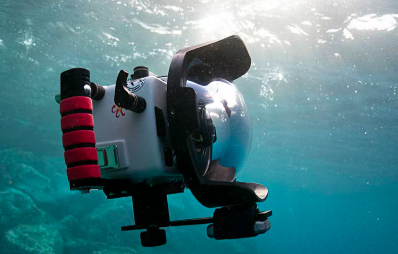
Professional photographers often use advanced cameras placed inside waterproof housings. These systems provide excellent image quality and manual control but require higher investment and technical knowledge.
3.4 360-Degree Underwater Cameras
These cameras record in every direction simultaneously, creating immersive experiences. Content creators use them for virtual reality and cinematic underwater footage.
3.5 Disposable Underwater Cameras
Disposable underwater cameras are simple and affordable. They are commonly used during vacations or one-time events where advanced features are unnecessary.
4. Key Features to Look for in an Underwater Camera
Choosing the right underwater camera depends on several important specifications.
4.1 Waterproof Depth Rating
Depth rating indicates how deep the camera can safely operate.
| Activity | Recommended Depth Rating |
|---|---|
| Swimming | 3–5 meters |
| Snorkeling | 10–15 meters |
| Scuba Diving | 30 meters or more |
4.2 Image Resolution and Sensor Quality
Higher megapixels improve detail, but sensor size also matters. Larger sensors capture more light, which is especially helpful underwater where lighting conditions are limited.
4.3 Video Recording Capabilities
Modern underwater cameras offer multiple recording options:
- Full HD for casual users
- 4K for high-quality videos
- Slow-motion recording for action scenes
4.4 Lens Quality and Field of View
Wide-angle lenses allow photographers to capture large scenes, which is useful when photographing marine life or underwater landscapes.
4.5 Battery Performance
Cold water reduces battery efficiency. Cameras with longer battery life or replaceable batteries are better for extended dives.
4.6 Durability and Build Quality
Many underwater cameras are also:
- Shockproof
- Dustproof
- Freezeproof
This makes them suitable for extreme environments beyond water.
4.7 Connectivity Options
Wi-Fi and Bluetooth connectivity allow instant photo transfers to smartphones, making sharing easy during travel.
5. Advantages of Using an Underwater Camera
An underwater camera provides opportunities that regular cameras cannot offer. Users can safely capture moments beneath the surface without worrying about damage. These cameras are also versatile, functioning well in rain, snow, or dusty environments.
Other advantages include improved adventure documentation, creative photography possibilities, and durability that supports outdoor lifestyles.
6. Limitations and Challenges
Despite their benefits, underwater cameras have some challenges. Visibility underwater depends on water clarity, and low light conditions may affect image quality. Equipment maintenance is necessary, especially after saltwater exposure, and advanced models can be expensive.
Understanding these limitations helps users prepare and achieve better results.
7. Underwater Camera Accessories
Accessories significantly enhance underwater photography.
Common useful accessories include:
- Waterproof housings for deeper dives
- Underwater lights to restore lost colors
- Floating grips to prevent loss
- Color filters for improved tones
- Mounting systems for action recording
These tools improve both safety and image quality.
8. Best Uses of Underwater Cameras
An underwater camera is versatile and suitable for many activities. Travelers use it to capture vacation memories, divers document marine ecosystems, and content creators produce engaging videos.
Popular applications include:
- Snorkeling photography
- Scuba diving exploration
- Marine wildlife observation
- Adventure sports recording
- Educational and scientific research
9. Tips for Taking Better Underwater Photos
9.1 Get Close to Your Subject
Water reduces clarity, so moving closer improves sharpness and color accuracy.
9.2 Use Natural Light
Shooting near the surface allows sunlight to enhance image brightness naturally.
9.3 Control Movement
Slow and steady movement helps prevent blur.
9.4 Adjust Camera Settings
Using underwater mode or manual white balance improves color reproduction.
9.5 Focus on Composition
Photograph subjects at eye level and include foreground elements for depth.
10. Maintenance and Care for Underwater Cameras
Proper care ensures long-term performance. After each use, especially in saltwater, rinse the camera with fresh water and dry it carefully. Always inspect seals and compartments before entering water.
Important maintenance steps include:
- Cleaning seals regularly
- Removing sand or debris
- Drying before storage
- Keeping batteries charged properly
11. Safety Tips While Using Underwater Cameras
Safety is essential when using any underwater equipment. Users should never exceed the camera’s depth rating and must ensure compartments are securely closed. Avoid opening the camera while wet, as moisture may enter the device.
Understanding pressure limits and equipment handling reduces risks during underwater activities.
12. Underwater Cameras vs Regular Cameras
| Feature | Underwater Camera | Regular Camera |
|---|---|---|
| Waterproof | Yes | No |
| Pressure Resistance | High | None |
| Outdoor Durability | Strong | Moderate |
| Underwater Color Correction | Built-in | Not available |
| Need for Housing | Usually no | Required |
This comparison clearly shows why a dedicated underwater camera is necessary for aquatic photography.
13. Choosing the Right Underwater Camera
The ideal camera depends on user needs.
- Beginners benefit from compact waterproof models with automatic settings.
- Travelers should prioritize portability and battery life.
- Professionals often select cameras with interchangeable lenses and underwater housings.
- Budget buyers can choose entry-level waterproof cameras that still deliver good quality.
Matching features with intended usage ensures better satisfaction.
14. Future Trends in Underwater Camera Technology
Technology continues to improve rapidly. Future underwater cameras are expected to include AI-powered image enhancement, improved sensors for low-light performance, higher video resolutions, and more compact professional systems.
Advancements in battery efficiency and stabilization will also make underwater filming easier and more accessible.
15. Conclusion
An underwater camera opens a completely new world of photography by allowing users to capture moments beneath the surface safely and creatively. From beginner-friendly waterproof cameras to professional diving systems, there is an option available for every skill level and budget.
Understanding how underwater cameras work, what features to look for, and how to maintain them properly helps users achieve better results and extend equipment life. Whether you want to record travel adventures or explore marine life photography, investing in the right underwater camera can transform your visual storytelling experience.
16. Frequently Asked Questions (FAQs)
1. How deep can an underwater camera go?
Most standard underwater cameras work between 10–30 meters, while professional setups with housing can go much deeper.
2. Can underwater cameras be used in saltwater?
Yes, but they must be rinsed with fresh water afterward to prevent corrosion.
3. Do underwater cameras require maintenance?
Regular cleaning, seal inspection, and proper drying are essential for long-term use.
4. Are action cameras good underwater cameras?
Yes, many action cameras perform excellently underwater due to stabilization and wide-angle lenses.
5. What settings are best for underwater photography?
Using underwater mode, adjusting white balance, and staying close to subjects usually produce the best results.