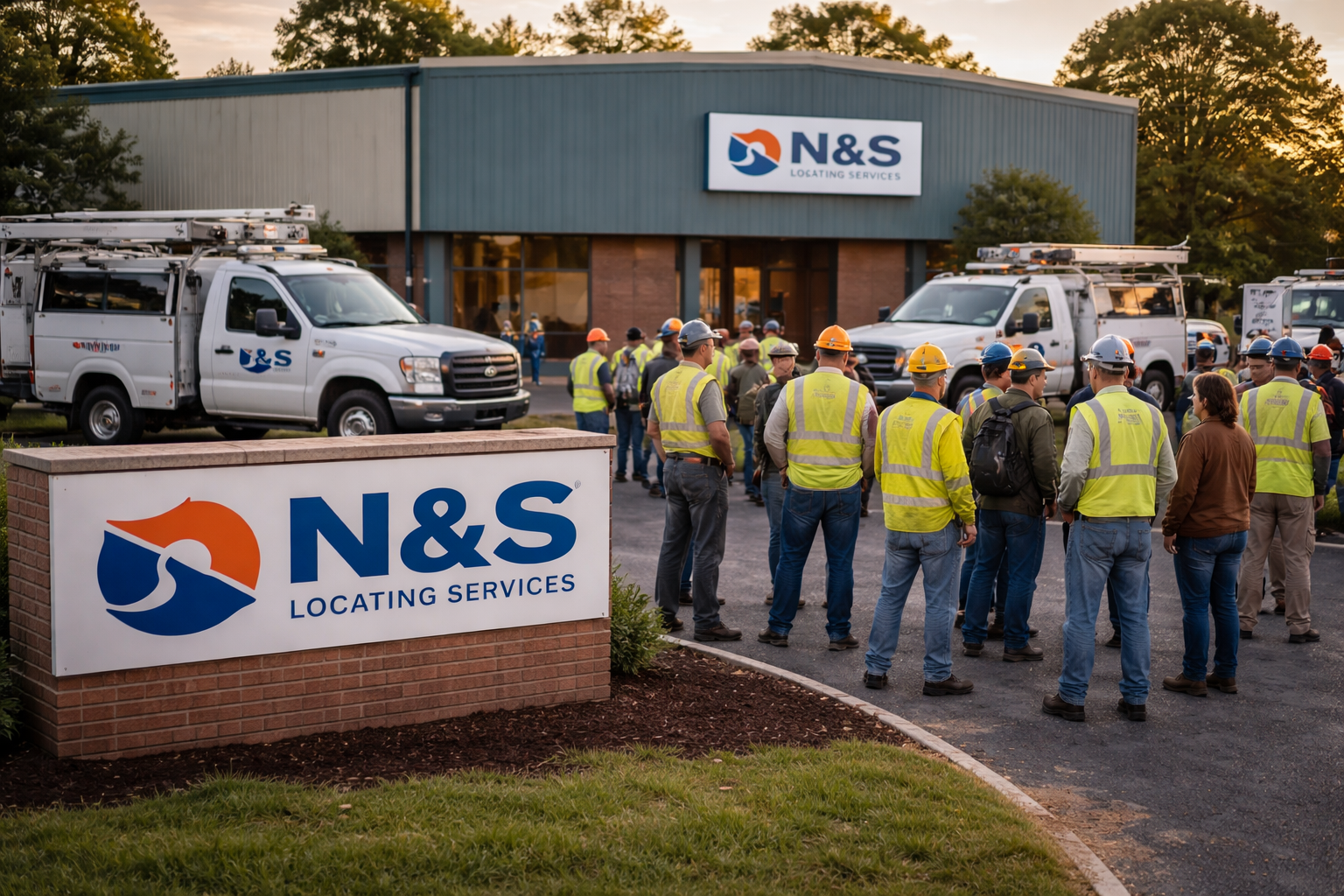
N&S Locating Services Layoffs: Causes, Impact, and Industry Lessons
Introduction
The topic of n&s locating services layoffs gained significant attention after a large number of workers lost their jobs following major business changes within the company. Layoffs in infrastructure and utility service companies often reflect deeper industry challenges rather than simple corporate decisions. Understanding what happened helps employees, businesses, and industry observers learn how contract-based employment works and why sudden job losses sometimes occur.
N&S Locating Services, also known as S&N Infrastructure, operates in a specialized field that supports telecommunications and underground utility safety. When the company announced workforce reductions, many workers and communities were affected, raising questions about job security, corporate dependence on contracts, and the future of infrastructure employment.
This article provides a complete, easy-to-understand explanation of the n&s locating services layoffs, including the causes, legal context, economic effects, and lessons for both companies and employees.
About N&S Locating Services
Company Background
N&S Locating Services is a utility locating company that works primarily with telecommunications and infrastructure providers. The company’s role is essential but often invisible to the public. Before construction or excavation begins, underground lines must be identified to prevent damage and safety risks.
The organization grew alongside the expansion of fiber-optic internet networks and modern infrastructure projects across the United States. Like many service contractors, its workforce size depended heavily on active client contracts.
Core Services Provided
The company specialized in several technical services that support safe construction and infrastructure development. These services included:
- Underground utility locating
- Fiber-optic cable detection
- Gas and electrical line identification
- Damage prevention before excavation
- Field inspection and reporting
These services protect workers, reduce repair costs, and prevent dangerous accidents.
Role in Infrastructure Development
Utility locating companies play a critical role in broadband expansion. Whenever new internet lines or pipelines are installed, locating technicians ensure underground systems are mapped correctly. Without this step, construction projects could cause severe service disruptions or safety hazards.
Because of this dependency, employment levels often rise and fall based on infrastructure investment cycles.
Overview of the Layoffs
Layoff Announcement
The n&s locating services layoffs became public when the company submitted official notice of workforce reductions. The announcement confirmed that a large group of employees would lose their positions due to operational changes.
The layoffs were categorized as a mass workforce reduction because of the number of affected employees.
Key Layoff Details
| Category | Information |
|---|---|
| Company | N&S Locating Services |
| Employees affected | 126 workers |
| Type | Permanent layoffs |
| Location | North Carolina operations |
| Announcement period | 2025 |
| Primary reason | Loss of major contract |
Location of Affected Employees
Most employees worked in regional field operations connected to a single major project area. Because the work was centralized around one client contract, the impact was concentrated geographically, affecting local communities and families.
Type of Layoff
Unlike temporary workforce adjustments, these layoffs were considered permanent. Employees were not furloughed but released due to the disappearance of available work.
Main Reasons Behind the Layoffs
Loss of a Major Client Contract
The most important factor behind the n&s locating services layoffs was the loss of a major telecommunications client contract. Infrastructure service companies often depend on large clients for continuous work. When such a contract ends, the need for large field teams can disappear almost immediately.
In this case, the termination of a key service agreement significantly reduced operational demand.
Revenue Decline
When a company loses its largest project, revenue drops quickly. Without sufficient incoming work, maintaining the same workforce becomes financially unsustainable. Companies must then reduce staffing levels to match available projects.
Contract-Based Industry Structure
Utility locating is not a traditional steady employment industry. Instead, it operates under a project-driven model:
- Telecom companies award contracts.
- Service providers hire technicians.
- Projects expand or shrink.
- Workforce size adjusts accordingly.
This structure creates both opportunity and instability.
The WARN Act and Legal Considerations
What Is the WARN Act?
The Worker Adjustment and Retraining Notification (WARN) Act is a U.S. labor law designed to protect employees during large layoffs. It requires employers to provide advance notice before mass job cuts.
The purpose of the law is to give workers time to:
- Search for new employment
- Prepare financially
- Access retraining programs
Legal Review and Compliance
Because the layoffs affected more than 100 employees, the event triggered legal review under WARN Act guidelines. Such reviews examine whether employers provided sufficient notice and complied with worker protection regulations.
Legal evaluations are common in large layoffs and do not necessarily indicate wrongdoing.
Employees Affected by the Layoffs
Job Roles Impacted
The workforce reduction primarily affected operational staff. These included:
- Utility locating technicians
- Field supervisors
- Support personnel
- Administrative staff tied to the project
Many workers had specialized skills connected directly to infrastructure locating services.
Worker Challenges
Job loss creates both financial and emotional stress. Employees faced several immediate concerns:
- Loss of stable income
- Healthcare uncertainty
- Need for relocation or career change
- Competitive job market conditions
For many workers, the layoffs came suddenly because project cancellations can occur quickly.
Support Measures
Companies often provide transition support during layoffs. Assistance may include severance pay, employment counseling, or job placement guidance to help workers move into new roles.
Economic and Community Impact
Local Economic Effects
The n&s locating services layoffs affected more than individual employees. Local economies often rely on steady employment from infrastructure projects. When dozens of workers lose jobs simultaneously, spending declines in areas such as:
- Housing
- Retail businesses
- Transportation services
- Local restaurants
Infrastructure Project Adjustments
When one contractor exits a project, another company typically replaces it. However, transitions can temporarily slow project progress while new teams are trained and deployed.
Industry Context: Utility Locating Sector
How Utility Locating Businesses Operate
Utility locating companies function as contractors rather than infrastructure owners. Their success depends on winning service agreements from telecom and utility companies.
Employment trends often follow this cycle:
| Industry Phase | Workforce Impact |
|---|---|
| Project expansion | Hiring increases |
| Stable contracts | Workforce stabilizes |
| Contract loss | Layoffs occur |
| New contracts | Rehiring begins |
Risks in Telecom Infrastructure Work
The telecommunications sector is highly competitive. Providers frequently switch contractors to reduce costs or improve efficiency. This creates uncertainty for subcontracted workforces.
Broadband Expansion Trends
Although layoffs occurred, overall demand for broadband infrastructure remains strong. Fiber internet expansion continues globally, meaning skilled technicians often find opportunities with other contractors.
Corporate Strategy and Business Lessons
Importance of Client Diversification
One major lesson from the n&s locating services layoffs is the risk of relying heavily on a single client. Businesses that diversify contracts are generally more stable during market changes.
Workforce Planning Challenges
Service companies must balance two competing goals:
- Hiring enough staff to meet demand
- Avoiding overstaffing during downturns
Achieving this balance is difficult in contract-based industries.
Crisis Management
Effective communication during layoffs helps maintain company reputation and supports employee transition.
Employee Perspective and Workplace Reality
Job Security in Contract Industries
Workers in project-based sectors often experience cycles of hiring and layoffs. While wages may be competitive, long-term stability can be uncertain.
Emotional and Financial Effects
Layoffs affect more than income. Workers may experience stress, anxiety, and career uncertainty. Support networks and retraining programs play an important role in recovery.
Career Transition Opportunities
Many locating technicians possess transferable skills such as mapping, safety compliance, and technical fieldwork, which are valuable in construction, utilities, and telecommunications sectors.
Future Outlook for N&S Locating Services
Potential Recovery Strategies
The company’s future depends largely on securing new infrastructure contracts. Possible strategies include expanding into new regions or diversifying service offerings.
Industry Hiring Trends
Despite layoffs, infrastructure development continues. Demand for skilled utility locators remains tied to broadband expansion and urban development projects.
Long-Term Stability
Companies that adapt to changing contracts and diversify clients are more likely to maintain stable operations in the future.
Lessons for Workers and Companies
The layoffs provide several important lessons:
- Employees benefit from developing multiple technical skills.
- Companies should avoid dependency on one major client.
- Financial preparedness helps workers manage unexpected job loss.
- Industry awareness allows professionals to anticipate market changes.
Understanding these lessons helps both employers and workers navigate modern employment realities.
FAQs
1. Why did N&S Locating Services conduct layoffs?
The layoffs occurred mainly because the company lost a major telecommunications contract, which significantly reduced available work.
2. How many employees were affected?
Approximately 126 workers were impacted during the workforce reduction.
3. Are more layoffs expected?
There are no confirmed large-scale additional layoffs reported, but employment levels depend on future contracts.
4. What is the WARN Act?
It is a labor law requiring advance notice before large layoffs so employees have time to prepare and seek new employment.
5. Can affected employees find similar jobs easily?
Many workers have transferable skills that are valuable across infrastructure, utilities, and telecom industries.
Conclusion
The n&s locating services layoffs highlight how contract-driven industries operate and why workforce changes can occur suddenly. Rather than signaling the collapse of an entire industry, the layoffs demonstrate the risks associated with reliance on major contracts in infrastructure services.
While the event created challenges for employees and communities, it also provides important lessons about workforce adaptability, business diversification, and economic resilience. As infrastructure development continues, opportunities are likely to reappear for skilled professionals, reminding us that industry cycles often bring both setbacks and new beginnings.