Luteal Phase Symptoms: A Complete and Easy Guide
Introduction
The menstrual cycle is a natural biological process that prepares the female body for pregnancy every month. While many people focus mainly on menstruation or ovulation, the time between ovulation and the next period — known as the luteal phase — is equally important. During this stage, the body experiences several hormonal shifts that can influence physical health, emotions, energy levels, and daily behavior.
Understanding luteal phase symptoms helps individuals recognize normal body changes, manage discomfort more effectively, and gain better awareness of reproductive health. Some people notice only mild changes, while others experience stronger symptoms similar to premenstrual syndrome (PMS).
This detailed guide explains what happens during the luteal phase, why symptoms occur, and how to manage them naturally and safely.
Understanding the Menstrual Cycle
Before exploring luteal phase symptoms, it is helpful to understand how the menstrual cycle works as a whole.
The Four Phases of the Menstrual Cycle
The menstrual cycle typically lasts between 21 and 35 days and includes four main stages:
- Menstrual Phase – The uterus sheds its lining, causing bleeding (period).
- Follicular Phase – Hormones prepare an egg for release.
- Ovulation Phase – The ovary releases a mature egg.
- Luteal Phase – The body prepares for possible pregnancy.
Each phase has unique hormonal patterns that affect the body differently.
Where the Luteal Phase Fits
The luteal phase begins immediately after ovulation and continues until menstruation starts. It usually lasts around 12–14 days, and its length tends to remain consistent even when cycle lengths vary.
What Happens During the Luteal Phase
Hormonal Changes
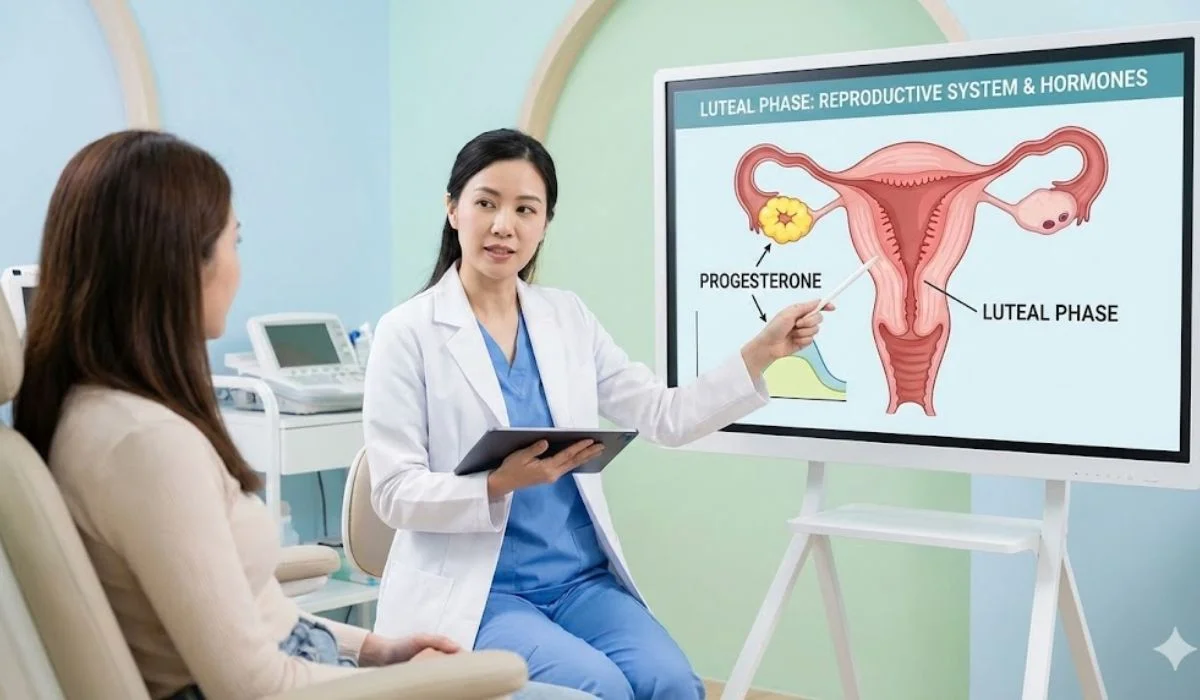
After ovulation, a temporary structure called the corpus luteum forms in the ovary. This structure produces progesterone, the main hormone responsible for luteal phase changes.
Progesterone works to:
- Prepare the uterus for implantation
- Support early pregnancy if fertilization occurs
- Stabilize the uterine lining
If pregnancy does not happen, progesterone levels drop sharply, triggering menstruation and many luteal phase symptoms.
Body Preparation for Pregnancy
During this time, the body quietly prepares for a possible pregnancy:
- The uterine lining thickens.
- Basal body temperature slightly increases.
- Cervical mucus becomes thicker.
- Metabolism may rise slightly.
These internal changes explain why many people feel warmer, hungrier, or more tired during this phase.
What Are Luteal Phase Symptoms?
Luteal phase symptoms are the physical, emotional, and behavioral changes caused by hormonal fluctuations after ovulation. These symptoms often overlap with PMS because both occur during the same phase of the cycle.
Symptoms vary depending on:
- Hormone sensitivity
- Lifestyle habits
- Stress levels
- Sleep quality
- Overall health
Some individuals barely notice changes, while others experience noticeable discomfort.
Common Physical Luteal Phase Symptoms
Physical symptoms are often the first signs people notice during this stage.
Breast Changes
Progesterone can cause breast tissue to retain fluid, leading to tenderness or swelling. Sensitivity may increase closer to the period.
Digestive and Body Changes
Many people experience bloating due to hormonal effects on digestion and water retention. Mild cramps or lower back discomfort may also occur as the uterus prepares for menstruation.
Energy and Sleep Changes
Fatigue is one of the most common luteal phase symptoms. Progesterone has a calming effect on the nervous system, which may cause sleepiness or reduced energy.
Skin Changes
Hormonal fluctuations can increase oil production, resulting in acne or skin breakouts during the late luteal phase.
Common Physical Symptoms Overview
| Symptom | Why It Happens | When It Appears |
|---|---|---|
| Bloating | Fluid retention | Mid–late luteal phase |
| Breast tenderness | Progesterone rise | After ovulation |
| Fatigue | Hormonal calming effect | Throughout phase |
| Acne | Increased oil production | Late phase |
| Headaches | Hormone fluctuations | Pre-period days |
Emotional and Psychological Symptoms
Hormones influence brain chemicals such as serotonin, which explains emotional changes during this phase.
Mood Changes
Many individuals experience irritability, emotional sensitivity, or sudden mood shifts. These feelings are normal responses to hormonal variation.
Mental Effects
Some people report “brain fog,” reduced concentration, or decreased motivation. Tasks that felt easy earlier in the cycle may require more effort.
Stress Sensitivity
During the luteal phase, emotional tolerance may decrease, making stressful situations feel more overwhelming.
Behavioral and Lifestyle Changes
Beyond physical and emotional effects, luteal phase symptoms can influence daily habits.
People may notice:
- Increased cravings, especially for carbohydrates or sweets
- Desire for comfort foods
- Reduced motivation for intense workouts
- Need for more rest or alone time
- Changes in libido
These responses are linked to the body conserving energy and preparing for menstruation.
Timeline of Luteal Phase Symptoms
Understanding symptom timing helps distinguish normal changes from health concerns.
Early Luteal Phase (Days 1–5 After Ovulation)
Hormones rise steadily. Many people feel calm or emotionally balanced.
Mid-Luteal Phase
Progesterone peaks. Appetite and body temperature increase slightly.
Late Luteal Phase
Hormone levels begin dropping. PMS-like symptoms become strongest, including mood swings and bloating.
Normal vs Abnormal Luteal Phase Symptoms
Not all symptoms require concern.
Normal Signs
- Mild discomfort
- Temporary mood changes
- Slight fatigue
- Short-term bloating
Possible Warning Signs
You may need medical advice if symptoms include:
- Severe depression or anxiety
- Extreme pain
- Very short cycles
- Difficulty conceiving
- Symptoms interfering with daily life
These may indicate PMS, PMDD, or hormonal imbalance.
Factors That Affect Luteal Phase Symptoms
Several lifestyle and biological factors influence symptom intensity.
- Chronic stress increases cortisol, worsening symptoms.
- Poor sleep disrupts hormone balance.
- Nutritional deficiencies may intensify fatigue or mood changes.
- Lack of exercise affects circulation and energy regulation.
- Age and hormonal conditions also play a role.
Healthy routines often reduce symptom severity significantly.
How to Manage Luteal Phase Symptoms Naturally
Managing luteal phase symptoms does not always require medication. Small lifestyle adjustments can make a noticeable difference.
Nutrition Support
Eating balanced meals helps stabilize blood sugar and mood.
Helpful nutrients include:
- Magnesium-rich foods (nuts, leafy greens)
- Complex carbohydrates
- Protein-rich meals
- Adequate hydration
Lifestyle Adjustments
Gentle movement such as walking or yoga supports circulation without exhausting the body. Prioritizing sleep and reducing caffeine intake can also help regulate mood and energy.
Self-Care Strategies
Tracking your cycle allows you to plan demanding tasks during higher-energy phases and schedule rest when symptoms are expected.
Medical Treatments and When to See a Doctor
If luteal phase symptoms become severe, medical guidance may help. Doctors may evaluate hormonal balance and recommend treatments such as:
- Hormonal therapy
- Lifestyle counseling
- PMS or PMDD management plans
- Nutritional supplementation
Seeking help is important when symptoms disrupt work, relationships, or mental health.
Luteal Phase and Fertility
The luteal phase plays a crucial role in conception. Adequate progesterone levels allow implantation of a fertilized egg. A short luteal phase may reduce pregnancy chances because the uterine lining does not have enough time to support implantation.
Tracking symptoms alongside ovulation patterns can provide useful fertility insights.
Tracking Your Luteal Phase
Monitoring your cycle helps you understand personal patterns.
Common tracking methods include:
- Basal body temperature monitoring
- Symptom journaling
- Period tracking apps
- Observing cervical mucus changes
Over time, patterns become clearer, making symptoms easier to predict and manage.
Frequently Asked Questions (FAQs)
1. How long do luteal phase symptoms last?
They usually last from ovulation until menstruation begins, typically 10–14 days.
2. Are luteal phase symptoms the same as PMS?
Yes, PMS symptoms occur during the luteal phase, although not everyone experiences PMS.
3. Can lifestyle changes reduce luteal phase symptoms?
Yes. Balanced nutrition, stress management, and quality sleep can significantly improve symptoms.
4. Is fatigue normal during the luteal phase?
Yes, progesterone naturally promotes relaxation and can cause tiredness.
5. When should I see a doctor?
Consult a healthcare professional if symptoms are severe, persistent, or interfere with daily life.
Conclusion
The luteal phase is a powerful yet often misunderstood part of the menstrual cycle. The hormonal shifts that occur after ovulation influence nearly every system in the body, leading to a wide range of luteal phase symptoms, from physical discomfort to emotional changes.
Recognizing these symptoms as natural biological responses allows individuals to better support their bodies through proper nutrition, rest, and self-care. By tracking cycles and understanding hormonal patterns, it becomes easier to manage symptoms, improve well-being, and maintain reproductive health.
Learning how your body behaves during the luteal phase is not just about managing discomfort — it is an important step toward greater health awareness and balance.