Cellular Trail Camera – Complete Informative Guide
Introduction to Cellular Trail Cameras
Outdoor monitoring technology has changed dramatically over the past decade. Traditional trail cameras once required users to physically visit remote locations just to check photos stored on memory cards. Today, a cellular trail camera has transformed this process by allowing users to receive images instantly on their smartphones.
A cellular trail camera is designed for remote environments where constant monitoring is needed without human presence. Whether someone wants to observe wildlife, monitor farmland, or protect private property, these cameras provide real-time updates through cellular networks similar to mobile phones.
The growing popularity of cellular technology, improved mobile coverage, and smart mobile applications have made these cameras more accessible and user-friendly than ever before. As a result, hunters, farmers, researchers, and homeowners increasingly rely on cellular trail cameras for efficient surveillance and observation.
What Is a Cellular Trail Camera?
A cellular trail camera is a motion-activated outdoor camera equipped with a SIM card and cellular connectivity. Instead of storing images only on an SD card, the device sends captured photos or videos directly to a connected mobile app, email, or cloud storage platform.
Unlike standard trail cameras, cellular models eliminate the need for frequent site visits. This makes them especially useful in remote forests, farms, or restricted areas.
Main Purpose
The primary purpose of a cellular trail camera includes:
- Monitoring wildlife behavior
- Tracking animal movement for hunting preparation
- Securing remote property
- Observing livestock activity
- Conducting environmental research
Who Uses Cellular Trail Cameras?
These devices are widely used by different groups:
- Hunters scouting animal patterns
- Farmers protecting crops and animals
- Landowners monitoring property
- Wildlife researchers studying ecosystems
- Security users watching isolated locations
The flexibility of use is one of the major reasons why cellular trail cameras continue to grow in demand.
How a Cellular Trail Camera Works
Understanding how a cellular trail camera operates helps users choose and use the device effectively.
Motion Detection Technology
At the heart of the camera lies a Passive Infrared (PIR) sensor. This sensor detects changes in heat and movement within its detection zone. When an animal or person passes by, the sensor activates the camera instantly.
The speed at which the camera reacts is known as trigger speed. Faster trigger speeds ensure that moving subjects are captured clearly without missing action.
Image and Video Capture
Once motion is detected, the camera records either photos, videos, or both. Modern cameras often include multiple capture modes such as single shots, burst mode, or time-lapse recording.
During nighttime, infrared LEDs allow the camera to capture clear images without visible light, preventing animals or intruders from noticing the device.
Cellular Data Transmission
After capturing media, the camera compresses the file and transmits it through a cellular network using an internal SIM card. The image is uploaded to a cloud server and immediately delivered to the user’s smartphone application.
This real-time delivery system is what makes a cellular trail camera different from traditional models.
What Happens Without Signal?
Even when cellular signal is weak or unavailable, the camera continues recording and saves files locally on the SD card. Once signal returns, stored images may upload automatically depending on the camera model.
Key Components of a Cellular Trail Camera
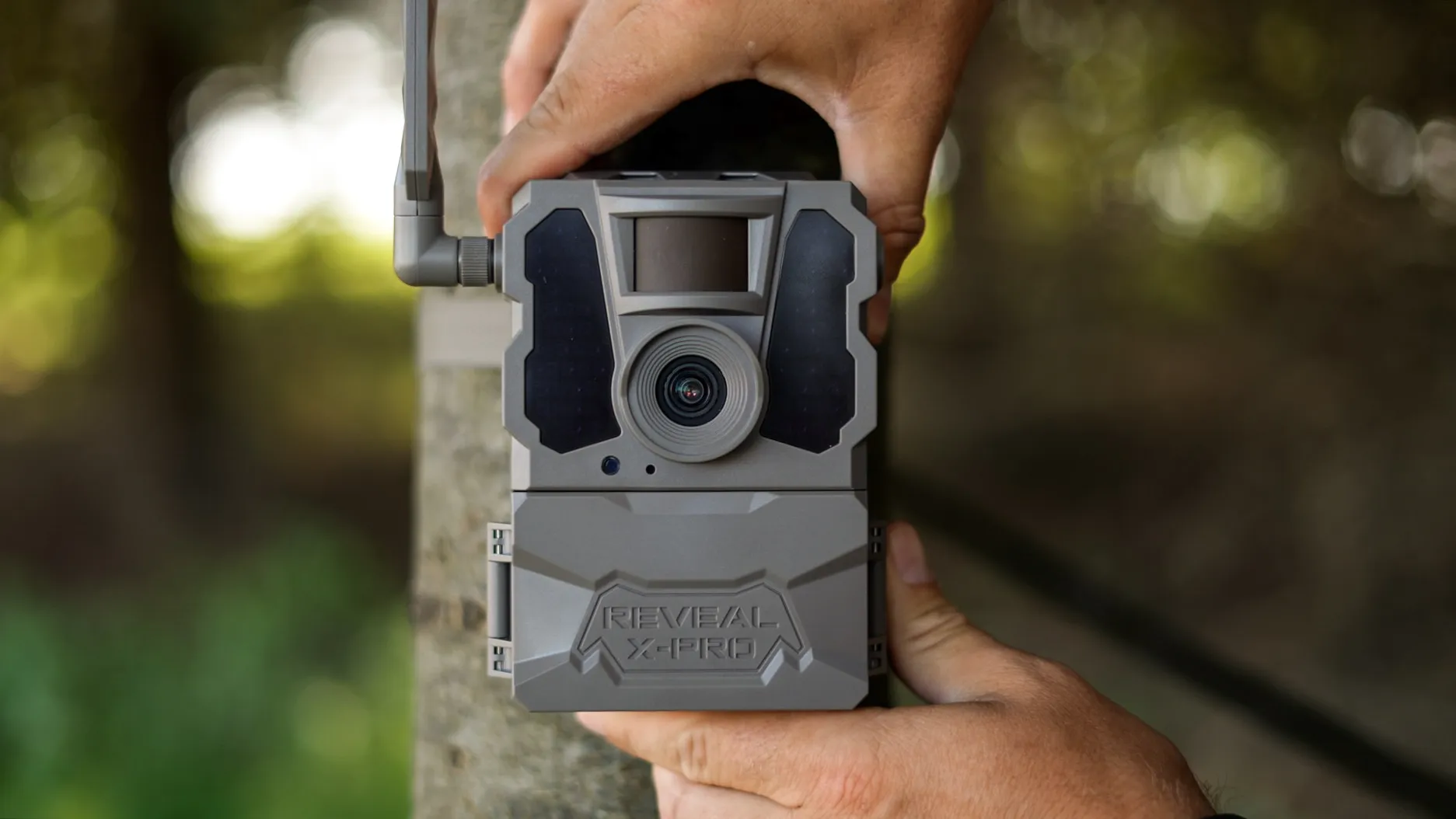
A cellular trail camera consists of several integrated parts working together:
| Component | Function |
|---|---|
| Camera Lens | Captures photos and videos |
| PIR Sensor | Detects movement and heat |
| Cellular Antenna | Connects to mobile network |
| SIM Card Module | Enables data transmission |
| Battery System | Powers the device |
| SD Card Slot | Local storage backup |
| Infrared LEDs | Night vision recording |
Each component contributes to reliable performance in outdoor environments.
Main Features of Cellular Trail Cameras
Modern devices include advanced features that enhance usability and monitoring efficiency.
Remote Monitoring
Users can view images from anywhere in the world through a mobile application. This feature is especially helpful for monitoring distant properties.
Real-Time Notifications
Whenever motion is detected, the camera sends instant alerts. This allows users to react quickly to activity.
Night Vision Technology
Invisible infrared flash enables clear nighttime recording without disturbing wildlife.
High-Resolution Imaging
Many cameras now support HD, 2K, or even 4K video recording, providing detailed visuals.
Weatherproof Design
Since these cameras operate outdoors, they are built to withstand rain, dust, snow, and extreme temperatures.
Remote Camera Control
Users can adjust settings such as resolution, capture frequency, and detection sensitivity directly from their phones.
Types of Cellular Trail Cameras
Different models are designed for specific purposes.
Hunting cellular trail cameras focus on fast triggers and camouflage design. Security-focused cameras prioritize continuous monitoring and instant alerts. Wildlife observation cameras emphasize silent operation to avoid disturbing animals.
Solar-powered cellular trail cameras are becoming popular because they extend battery life and reduce maintenance needs. Some models also support multiple cellular networks, automatically switching to the strongest signal available.
Cellular Trail Camera vs Traditional Trail Camera
The main difference lies in convenience and connectivity.
| Feature | Cellular Trail Camera | Traditional Trail Camera |
|---|---|---|
| Photo Access | Instant mobile delivery | Manual SD card retrieval |
| Connectivity | Cellular network required | No network needed |
| Monitoring | Remote access | On-site checking |
| Cost | Higher upfront + data plan | Lower cost |
| Convenience | Very high | Moderate |
For remote monitoring, cellular models provide clear advantages.
Benefits of Using a Cellular Trail Camera
A cellular trail camera offers several practical benefits.
First, it saves time because users no longer need to visit the camera location regularly. Second, reduced human presence prevents wildlife disturbance, leading to more natural animal behavior recordings. Third, real-time alerts enhance property security by notifying users immediately of suspicious activity.
Additionally, remote monitoring helps farmers manage livestock more efficiently and allows researchers to collect data without interfering with ecosystems.
Limitations and Disadvantages
Despite many advantages, some limitations exist.
Cellular trail cameras typically require a monthly subscription for data transmission. They also depend on cellular coverage, meaning performance may decrease in areas with weak signal. Battery consumption is higher due to data transmission, and the initial purchase cost is greater than standard trail cameras.
However, for many users, convenience outweighs these drawbacks.
Cellular Networks and Data Plans
A cellular trail camera works similarly to a smartphone and therefore requires a data plan.
Most manufacturers provide subscription options based on the number of images transmitted monthly. Networks usually operate on 4G LTE connectivity, ensuring reliable transmission speeds.
Choosing a camera compatible with strong local network coverage is essential for optimal performance.
Power Options and Battery Life
Power management plays a major role in camera efficiency.
Common power sources include:
- AA alkaline batteries
- Rechargeable lithium batteries
- External battery packs
- Solar panels
Solar-powered systems are especially useful for long-term deployments because they continuously recharge the device.
Battery life depends on factors such as image frequency, temperature, and signal strength.
How to Set Up a Cellular Trail Camera
Setting up the device is straightforward but requires careful preparation.
First, choose a location with good signal strength and active movement. Install batteries and insert the SD card. Activate the SIM card using the manufacturer’s mobile app, then connect the camera to your account.
After mounting the camera securely, perform a test capture to confirm transmission is working properly.
Best Placement Tips for Maximum Performance
Proper placement greatly improves results.
Mounting the camera approximately chest height from the ground provides optimal viewing angles. Avoid direct sunlight facing the lens to prevent overexposed images. Positioning the camera near animal trails, water sources, or entry points increases activity detection.
For security use, aim the camera toward pathways rather than wide open spaces to capture clearer images.
Buying Guide: How to Choose the Best Cellular Trail Camera
When selecting a cellular trail camera, consider multiple factors:
- Image resolution for clarity
- Trigger speed for fast movement capture
- Detection range for coverage area
- Battery efficiency
- Mobile app usability
- Weather resistance rating
- Storage and cloud options
Balancing performance with budget ensures the best purchase decision.
Common Uses of Cellular Trail Cameras
The versatility of cellular trail cameras makes them suitable for many applications.
Wildlife photographers use them to capture rare animal activity. Hunters analyze movement patterns to plan outings. Farmers monitor livestock health and safety. Property owners enhance security by observing remote locations, while scientists gather valuable environmental data.
Maintenance and Troubleshooting
Regular maintenance ensures long-term performance. Cleaning the lens prevents blurry images, while checking battery levels avoids downtime. Updating firmware improves stability and features.
If images fail to send, users should verify signal strength, subscription status, and app connectivity.
Future Trends in Cellular Trail Camera Technology
Technology continues to evolve rapidly. Future cellular trail cameras may include artificial intelligence capable of recognizing animal species automatically. Improved battery efficiency, smarter alerts, and 5G connectivity will likely enhance performance further.
Cloud-based analytics may soon allow users to track animal behavior patterns automatically.
Conclusion
A cellular trail camera represents one of the most advanced tools available for outdoor monitoring today. By combining motion detection, high-quality imaging, and cellular connectivity, these cameras provide real-time awareness without requiring physical presence.
Whether used for wildlife observation, farming management, or remote security, cellular trail cameras offer unmatched convenience and efficiency. As technology advances, they will continue becoming smarter, more affordable, and easier to use, making them an excellent investment for beginners and professionals alike.
FAQs
1. Do cellular trail cameras require Wi-Fi?
No, they operate using cellular networks instead of Wi-Fi connections.
2. Can a cellular trail camera work without signal?
Yes, it still records images locally on an SD card but cannot send them until signal returns.
3. How long do batteries last in a cellular trail camera?
Battery life varies from a few weeks to several months depending on usage, temperature, and transmission frequency.
4. Is a subscription necessary?
Most cellular trail cameras require a data plan to send photos to your phone.
5. Are cellular trail cameras suitable for home security?
Yes, they are highly effective for monitoring remote or off-grid properties.