PTZ Cameras Explained: Complete Guide to Features, Uses, Benefits & Buying Tips
Introduction to PTZ Cameras
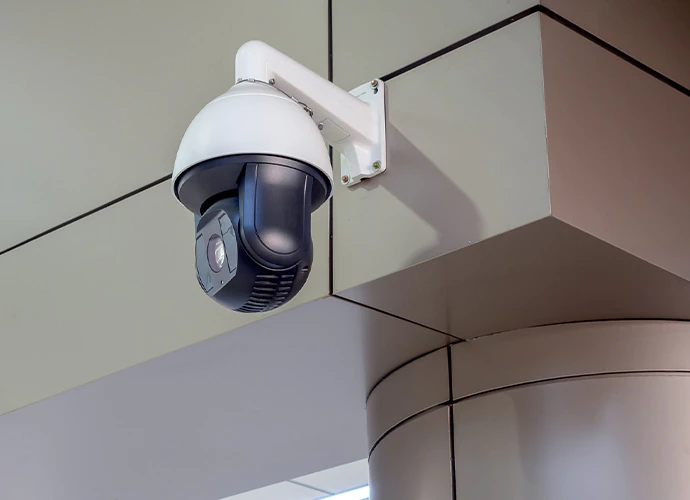
PTZ cameras have become an essential part of modern video surveillance and professional video production systems. The term PTZ cameras refers to cameras that can move horizontally, vertically, and zoom in or out, all through remote control. Because of this flexibility, PTZ cameras are widely used in security monitoring, live events, offices, public spaces, and even houses of worship.
Unlike fixed cameras that record only one angle, PTZ cameras allow users to actively control what they see. This makes them ideal for monitoring large areas where detail and flexibility matter. In this guide, we will explore PTZ cameras in depth, using simple language and real-world explanations so even beginners can understand how they work and why they are so popular.
Understanding the Meaning of PTZ
The word PTZ stands for Pan, Tilt, and Zoom. Each part of this name describes a specific movement or function of the camera.
Pan refers to the camera’s ability to rotate left and right, covering a wide horizontal area. Tilt allows the camera to move up and down, helping capture footage above or below its original position. Zoom enables the camera to get closer to objects without physically moving toward them.
When these three movements work together, PTZ cameras provide much more coverage than standard cameras. A single PTZ camera can observe an entire room, parking lot, or open field by simply changing its viewing angle when needed.
How PTZ Cameras Work
PTZ cameras use small electric motors inside the camera housing. These motors control the pan and tilt movements, while the zoom function adjusts the lens to magnify or reduce the image. All of this happens smoothly and can be controlled remotely.
Most PTZ cameras are operated using:
- Software on a computer or mobile app
- A joystick controller
- Preset commands that move the camera automatically
Users can save preset positions, meaning the camera can instantly move to a specific angle with one click. Some PTZ cameras also support automated patrols, where the camera moves through multiple positions on a schedule.
Key Features of PTZ Cameras
PTZ cameras are packed with advanced features that make them stand out from traditional cameras. One of the most important features is wide-area coverage, which allows a single camera to monitor spaces that would normally require several fixed cameras.
Another major feature is optical zoom, which preserves image quality even when zooming in on distant objects. Many modern PTZ cameras also include night vision, low-light enhancement, and smart tracking that follows moving objects automatically.
Additional features often include:
- Remote access from anywhere
- Preset tours and automatic scanning
- Integration with NVRs and security software
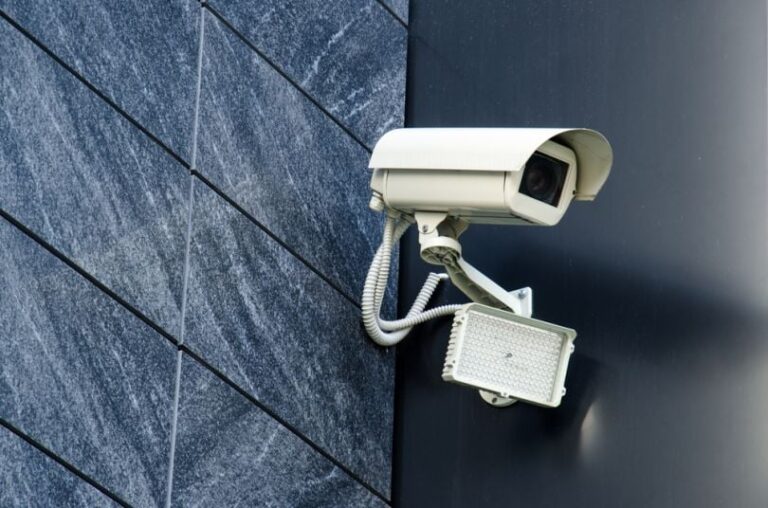
- Weatherproof designs for outdoor use
These features make PTZ cameras extremely versatile in both indoor and outdoor environments.
Types of PTZ Cameras
PTZ cameras come in different types, each designed for specific use cases. Analog PTZ cameras are usually found in older CCTV systems and require dedicated cabling. IP PTZ cameras, on the other hand, work over a network and are more common today due to better image quality and remote access.
There are also ePTZ cameras, which simulate pan, tilt, and zoom digitally without physical movement. While ePTZ cameras are quieter and cheaper, they lack the true flexibility of motorized PTZ cameras.
Applications and Use Cases of PTZ Cameras
PTZ cameras are widely used in security and surveillance. They are commonly installed in shopping malls, parking lots, airports, and warehouses because they can monitor large areas with fewer cameras.
Beyond security, PTZ cameras are also popular in live streaming and broadcasting. Conferences, concerts, classrooms, and churches rely on PTZ cameras for smooth, professional video coverage. Traffic monitoring and city surveillance systems also depend heavily on PTZ cameras for real-time control and zooming.
Benefits of Using PTZ Cameras
One of the biggest advantages of PTZ cameras is their ability to reduce the total number of cameras needed in a system. This can save money on installation and maintenance while still delivering excellent coverage.
PTZ cameras also allow users to capture fine details such as faces or license plates using optical zoom. Their flexibility and remote operation make them ideal for environments where constant monitoring and quick response are required.
Limitations and Challenges of PTZ Cameras
Despite their benefits, PTZ cameras do have some limitations. Since the camera can only point in one direction at a time, areas outside its current view may not be recorded. This is why PTZ cameras are often used alongside fixed cameras.
They are also more expensive than standard cameras and may require professional installation. Over time, the moving parts can experience wear, making regular maintenance important.
How to Choose the Right PTZ Camera
Choosing the right PTZ camera depends on several factors. The size of the area you want to monitor plays a major role, as larger spaces require stronger zoom and wider pan coverage.
You should also consider resolution, night vision capabilities, weather resistance, and compatibility with your existing security system. Budget is another key factor, as advanced PTZ cameras can vary significantly in price.
PTZ Camera Installation and Best Practices
Proper placement is critical when installing PTZ cameras. The camera should be mounted high enough to avoid tampering while still offering a clear line of sight.
It is also important to configure presets and patrol routes correctly so the camera covers all important areas. Regular cleaning and software updates help maintain performance and extend the camera’s lifespan.
PTZ Camera Protocols and Control Standards
PTZ cameras rely on communication protocols that allow controllers and software to send movement commands. These standards ensure compatibility between cameras, controllers, and video management systems.
Using standard protocols makes it easier to integrate PTZ cameras into existing setups without compatibility issues.
Future Trends in PTZ Cameras
The future of PTZ cameras is strongly connected to artificial intelligence. Modern models already include smart tracking, facial detection, and automated alerts.
As technology improves, PTZ cameras will become more intelligent, offering better analytics, faster response times, and seamless integration with smart security systems.
Comparison Table: PTZ Cameras vs Fixed Cameras
| Feature | PTZ Cameras | Fixed Cameras |
|---|---|---|
| Field of View | Adjustable | Fixed |
| Zoom Capability | Optical & Digital | Limited |
| Coverage Area | Very Large | Limited |
| Cost | Higher | Lower |
| Flexibility | High | Low |
Conclusion
PTZ cameras are powerful tools for surveillance, monitoring, and professional video production. Their ability to pan, tilt, and zoom makes them far more flexible than traditional cameras. While they require a higher investment, the coverage, control, and advanced features they provide make them a valuable solution for many environments.
If you need dynamic monitoring and detailed visual control, PTZ cameras are an excellent choice worth considering.
Frequently Asked Questions (FAQs)
1. What are PTZ cameras mainly used for?
PTZ cameras are mainly used for security surveillance, live events, traffic monitoring, and professional video production.
2. Can PTZ cameras replace multiple fixed cameras?
In many cases, yes. A single PTZ camera can cover a large area that would otherwise require several fixed cameras.
3. Are PTZ cameras suitable for home use?
Yes, especially for large properties, but they are more common in commercial and public spaces.
4. What is the difference between optical and digital zoom?
Optical zoom maintains image quality, while digital zoom enlarges pixels and may reduce clarity.
5. Do PTZ cameras require professional installation?
While not always required, professional installation is recommended for optimal placement and configuration.