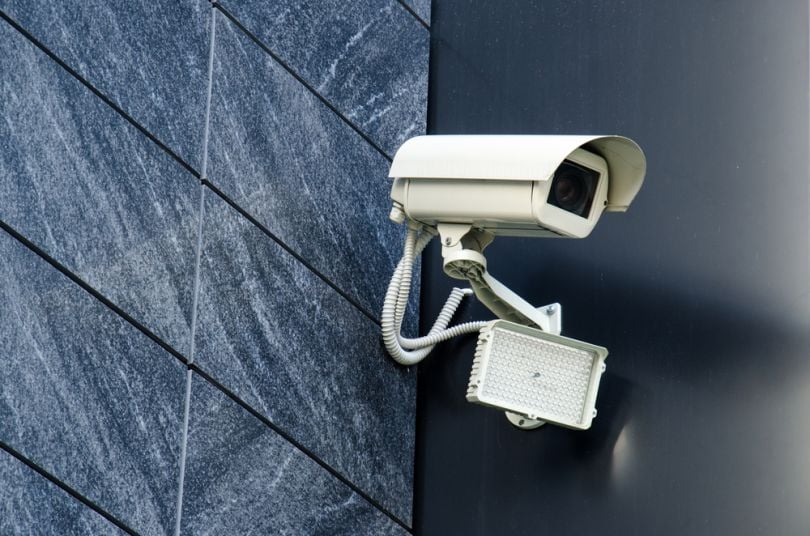
Eagle Eye Wireless Camera: Complete Guide to Features, Benefits, Setup & Uses
In today’s fast-moving digital world, security solutions have evolved far beyond traditional CCTV systems. One of the most talked-about modern surveillance solutions is the eagle eye wireless camera. Designed to offer flexibility, remote access, and cloud-based intelligence, this type of camera system is becoming a preferred choice for both homes and businesses.
This detailed guide explains what an eagle eye wireless camera is, how it works, its features, benefits, setup process, and real-world uses — all in simple, easy-to-understand language.
What Is an Eagle Eye Wireless Camera?
An eagle eye wireless camera is a modern security camera that connects to a network wirelessly, allowing users to monitor live and recorded footage from anywhere. These cameras are commonly associated with cloud-managed surveillance platforms, especially those supported by Eagle Eye Networks, a well-known provider of cloud video management systems.
Unlike traditional wired CCTV systems that rely on local recorders and heavy cabling, an eagle eye wireless camera focuses on network connectivity, cloud storage, and remote accessibility. This approach makes security monitoring more flexible, scalable, and user-friendly.
Understanding Eagle Eye Networks and Cloud Video Surveillance
Eagle Eye Networks is widely recognized for introducing cloud technology into video surveillance. Instead of storing footage only on physical devices, their systems allow video data to be securely stored and managed in the cloud.
An eagle eye wireless camera typically works with a cloud video management system (VMS), which means users can:
- View live video remotely
- Access recorded footage from multiple devices
- Manage multiple cameras from a single dashboard
- Receive alerts when motion or unusual activity is detected
This cloud-based approach reduces hardware dependency and simplifies long-term security management.
What Does “Wireless” Mean in Eagle Eye Wireless Cameras?
The term “wireless” can be confusing. In the context of an eagle eye wireless camera, it usually means the camera sends video data over a Wi-Fi or network connection rather than through traditional coaxial cables.
Wireless does not always mean battery-powered. Some cameras may still need a power source, but they eliminate complex video cabling. This makes installation cleaner and more adaptable, especially in locations where running cables is difficult.
Wireless Camera Connectivity Explained
| Aspect | Description |
|---|---|
| Video Transmission | Sent wirelessly over Wi-Fi or network |
| Storage | Cloud-based or hybrid (cloud + local) |
| Remote Access | Available through apps or web dashboards |
| Scalability | Easy to add more cameras later |
Key Features of an Eagle Eye Wireless Camera
An eagle eye wireless camera stands out because of its advanced feature set. These features are designed to provide not just security, but also convenience and intelligent monitoring.
High-Quality Video Resolution
Most eagle eye wireless camera setups support HD, Full HD, or even higher resolutions. Clear video quality helps identify faces, license plates, and important details.
Cloud Connectivity and Remote Viewing
One of the strongest advantages is cloud access. Users can log in from a smartphone, tablet, or computer to view live feeds or past recordings without being physically present.
Smart Motion Detection
Modern eagle eye wireless camera systems use intelligent motion detection. Instead of recording everything, the camera can focus on meaningful activity and send alerts when motion is detected.
Night Vision and Low-Light Performance
Infrared and low-light technologies allow the camera to record clear footage even in complete darkness, ensuring round-the-clock protection.
Secure Data Encryption
Security is not just about video recording; it is also about data protection. Eagle Eye-style systems emphasize encrypted video streams to reduce the risk of unauthorized access.
Benefits of Using an Eagle Eye Wireless Camera
Choosing an eagle eye wireless camera brings several practical advantages compared to traditional surveillance systems.
One major benefit is ease of installation. Without complex wiring, cameras can be installed faster and with less disruption. This is especially useful for rented properties or temporary locations.
Another key advantage is flexibility. Whether you want to monitor a single room or manage multiple locations, eagle eye wireless camera systems can scale according to your needs.
Cost efficiency is also a factor. While cloud services may involve subscriptions, users often save on expensive hardware, maintenance, and manual monitoring.
Installation and Setup Overview
Setting up an eagle eye wireless camera is generally straightforward, especially compared to older CCTV systems.
The process usually begins with mounting the camera in a suitable location. Once powered on, the camera is connected to a network and paired with a cloud platform or management app. After configuration, users can immediately start viewing live footage and adjusting settings.
Good placement is important. Cameras should be positioned to cover entry points, high-traffic areas, and valuable assets while avoiding direct glare from sunlight or reflective surfaces.
Common Use Cases for Eagle Eye Wireless Cameras
An eagle eye wireless camera is versatile and can be used in many environments.
Home Security
Homeowners use these cameras to monitor entrances, living areas, and outdoor spaces. Remote access allows them to check their property even while traveling.
Small Businesses
Retail stores, offices, and cafes rely on eagle eye wireless camera systems to reduce theft, monitor staff activity, and improve customer safety.
Large Enterprises
For larger organizations, cloud-based surveillance enables centralized monitoring across multiple locations without maintaining on-site servers.
Remote and Outdoor Locations
Wireless connectivity makes these cameras suitable for warehouses, parking lots, and construction sites where traditional wiring may not be practical.
Advantages and Limitations
Like any technology, an eagle eye wireless camera has both strengths and limitations.
Advantages
The system offers remote access, scalable design, and intelligent monitoring. Cloud management simplifies updates and reduces the need for local storage devices.
Limitations
A stable internet connection is essential. Cloud-based systems may also involve recurring costs, which should be considered during planning.
How to Choose the Right Eagle Eye Wireless Camera Setup
Before selecting an eagle eye wireless camera, it is important to assess your security goals. Consider how many areas you need to monitor, whether indoor or outdoor coverage is required, and how long footage should be stored.
Video quality, night vision, and mobile app usability are also key decision factors. Choosing a system that allows future expansion can save costs in the long run.
Frequently Asked Questions
Is an eagle eye wireless camera suitable for home use?
Yes, many users choose these cameras for home security due to remote access and ease of use.
Do eagle eye wireless cameras require internet access?
Internet connectivity is usually required for cloud features and remote viewing.
Is cloud storage safe?
Reputable systems use encryption and secure servers to protect video data.
Can I add more cameras later?
Yes, scalability is one of the main strengths of an eagle eye wireless camera system.
Are these cameras difficult to maintain?
Maintenance is minimal compared to traditional CCTV systems because updates and management are handled through the cloud.
Conclusion
The eagle eye wireless camera represents a modern approach to security, combining wireless connectivity, cloud intelligence, and user-friendly management. Whether for home, business, or enterprise use, this type of camera system offers flexibility, scalability, and peace of mind.
By understanding its features, benefits, and setup process, users can make informed decisions and build a security solution that fits their needs today and adapts to tomorrow’s challenges.


