Full Frame Camera – Complete Detailed Guide
Introduction to Full Frame Camera
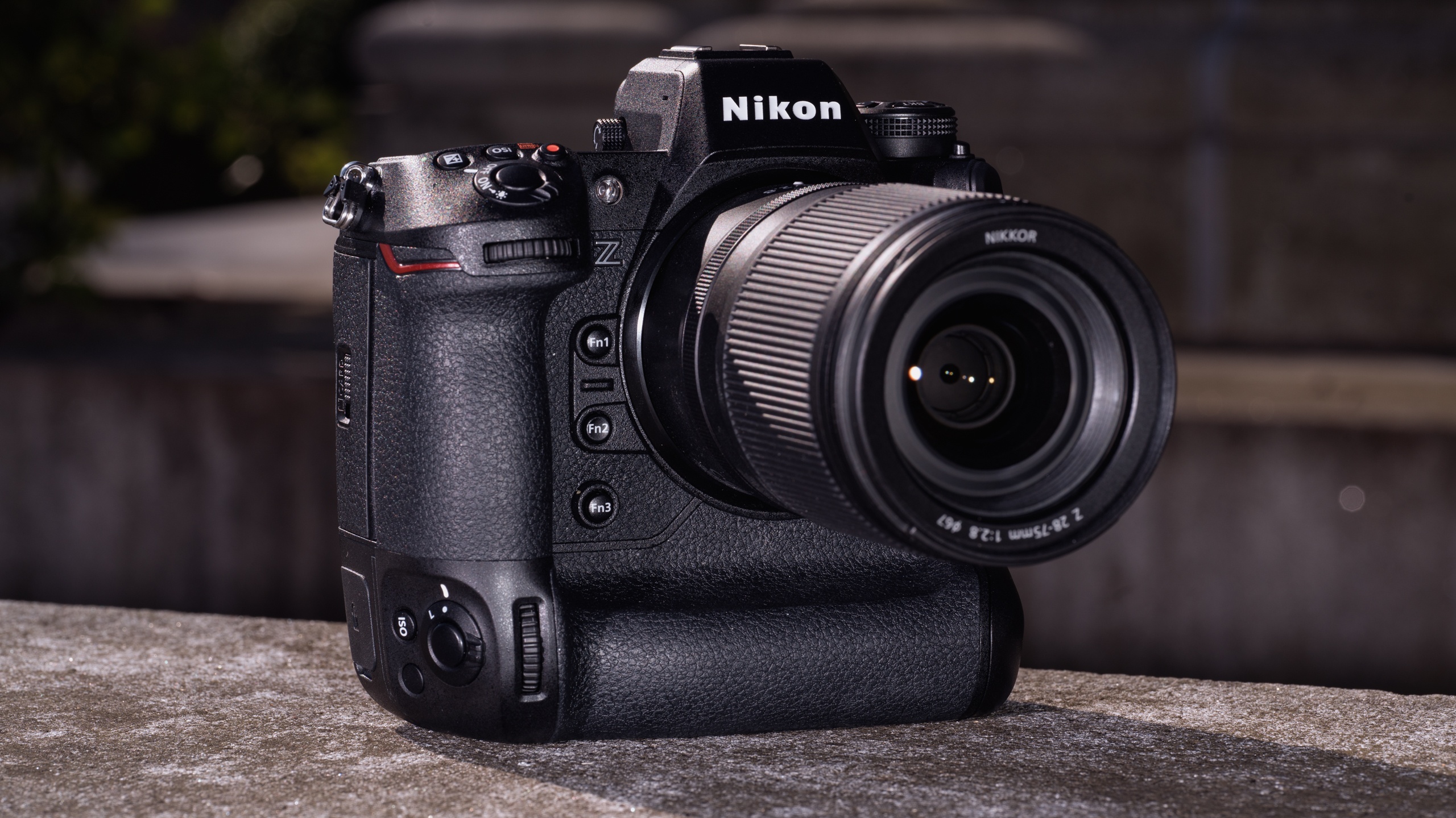
A full frame camera is a digital camera that uses a sensor the same size as traditional 35mm film, measuring 36mm × 24mm. This sensor size has become a gold standard in photography and videography because it delivers high image quality, excellent low-light performance, and strong creative control. Full frame cameras are widely used by professional photographers, filmmakers, and serious enthusiasts, but they are also becoming more accessible to advanced beginners.
Understanding what a full frame camera is and how it works helps you decide whether it fits your photography needs, budget, and skill level.
Understanding the Full-Frame Sensor
The sensor is the most important part of any digital camera. In a full frame camera, the large sensor captures more light and image information compared to smaller sensors like APS-C or Micro Four Thirds. This directly affects image clarity, color depth, and detail.
A full-frame sensor offers a true field of view, meaning lenses behave exactly as their focal length is labeled. For example, a 24mm lens stays truly wide without any crop. This is especially useful for landscape, architecture, and cinematic video work.
How Full Frame Camera Sensors Affect Image Quality
Because a full frame camera sensor is physically larger, each pixel can be larger as well. Larger pixels collect more light, which leads to cleaner images with less digital noise. This is why full frame cameras perform exceptionally well in low-light environments such as weddings, night photography, indoor events, and filmmaking.
Dynamic range is another major advantage. Full frame cameras capture more detail in both highlights and shadows, allowing photographers to recover details during editing without degrading image quality.
Key Advantages of a Full Frame Camera
One of the biggest reasons people choose a full frame camera is image quality. Photos look more detailed, natural, and professional, especially when printed in large sizes.
Another major benefit is depth of field control. Full frame cameras produce a shallower depth of field, creating smooth and pleasing background blur, often referred to as bokeh. This is ideal for portraits, product photography, and cinematic videos.
Full frame cameras also offer:
- Better performance at high ISO values
- Wider angles without crop factor
- More flexibility for post-processing
- Higher resolution options for commercial work
Disadvantages and Limitations of Full Frame Cameras
Despite their advantages, a full frame camera is not perfect for everyone. The biggest drawback is cost. Full frame camera bodies and lenses are more expensive than crop-sensor alternatives.
Size and weight are also important considerations. Full frame cameras tend to be larger and heavier, especially when paired with professional lenses. This can be inconvenient for travel photographers or casual users.
Another limitation is that full frame cameras do not provide the extra “reach” that crop sensors offer for wildlife or sports photography, where extra zoom can be useful.
Types of Full Frame Cameras
Full-Frame DSLR Cameras
These cameras use a mirror mechanism and optical viewfinder. They are known for durability, battery life, and excellent lens compatibility.
Full-Frame Mirrorless Cameras
Mirrorless full frame cameras are lighter, faster, and more advanced in autofocus and video features. They dominate the modern camera market.
Video-Focused Full Frame Cameras
Some full frame cameras are designed specifically for filmmaking, offering advanced codecs, log profiles, and cinematic image quality.
Popular Full Frame Camera Brands
Several major manufacturers produce high-quality full frame cameras. Each brand offers a unique ecosystem of lenses and accessories.
- Canon – Known for color science and reliable autofocus
- Nikon – Excellent dynamic range and ergonomics
- Sony – Industry-leading mirrorless technology
- Panasonic – Strong video performance
- Leica – Premium build and optical excellence
Full Frame Camera Use in Different Photography Genres
A full frame camera excels in portrait photography because of its ability to create soft backgrounds and capture fine facial details. Landscape photographers benefit from wide dynamic range and true wide-angle views.
For wedding and event photography, full frame cameras handle low light exceptionally well, ensuring sharp images even in dim venues. Videographers prefer full frame cameras for cinematic depth, smooth autofocus, and superior low-light footage.
How to Choose the Right Full Frame Camera
When choosing a full frame camera, consider your primary purpose. Photographers should prioritize resolution, dynamic range, and lens availability. Video creators should focus on frame rates, stabilization, and video formats.
Budget is another major factor. Entry-level full frame cameras offer excellent value, while professional models are designed for demanding commercial work.
Full Frame vs Crop Sensor Comparison
| Feature | Full Frame Camera | APS-C Camera |
|---|---|---|
| Sensor Size | 36 × 24mm | Smaller |
| Low-Light Performance | Excellent | Good |
| Depth of Field | Shallow | Deeper |
| Cost | Higher | Lower |
| Size & Weight | Larger | Smaller |
| Best For | Professionals | Beginners & Travel |
Best Camera Settings for Full Frame Cameras
To get the most from a full frame camera, shooting in RAW format is highly recommended. This preserves maximum image data for editing. Using manual or aperture priority modes allows better control over depth of field and exposure.
Autofocus modes such as eye detection and continuous tracking perform exceptionally well on modern full frame cameras, especially for portraits and moving subjects.
Common Myths About Full Frame Cameras
Many people believe that a full frame camera automatically makes photos better. In reality, skill, lighting, and composition matter just as much. Another myth is that only professionals can use full frame cameras, which is no longer true due to user-friendly designs and affordable options.
Future of Full Frame Camera Technology
Full frame camera technology continues to evolve with faster sensors, better autofocus powered by AI, and improved video capabilities. Computational photography and hybrid shooting are shaping the future, making full frame cameras more powerful and versatile than ever.
Frequently Asked Questions (FAQs)
Is a full frame camera good for beginners?
Yes, but it may be expensive. Beginners can benefit if they plan to grow their skills long-term.
Is full frame better than APS-C?
In image quality and low light, yes. However, APS-C is better for budget and portability.
Do full frame cameras take better photos at night?
Yes, they perform significantly better in low-light situations.
Are full frame cameras good for video?
Absolutely. Many full frame cameras are designed for professional filmmaking.
Do I need full frame for social media?
No. Full frame is more useful for professional work and large prints.
Conclusion
A full frame camera offers superior image quality, excellent low-light performance, and creative flexibility that smaller sensors struggle to match. While they are more expensive and heavier, they are ideal for photographers and videographers who want professional results and long-term value.
If image quality, creative control, and performance matter most to you, investing in a full frame camera can be one of the best decisions in your photography journey.