35mm Film Camera — Complete Informative Guide
Photography has changed dramatically over the years, yet one classic tool continues to attract photographers worldwide — the 35mm film camera. While digital cameras dominate modern photography, film cameras remain popular because of their timeless image quality, artistic character, and hands-on shooting experience.
This detailed guide explains everything you need to know about a 35mm film camera in simple and easy wording. Whether you are a beginner or someone curious about analog photography, this article will help you understand how these cameras work and why they are still loved today.
Introduction to 35mm Film Cameras
A 35mm film camera is an analog camera that captures photographs using photographic film instead of a digital sensor. The camera records images chemically on a strip of film, which must later be developed to reveal the photos.
Unlike smartphones or digital cameras that allow unlimited shots, film photography requires patience and planning. Each photo matters because film rolls have limited exposures. This slower process encourages photographers to think carefully about lighting, composition, and timing.
In recent years, film photography has experienced a strong comeback. Many creators prefer the organic look of film images, which often appear warmer, softer, and more natural compared to digitally processed photos.
History of the 35mm Film Camera
Early Origins of Photographic Film
Photography began with large and heavy cameras that used glass plates. These early systems were difficult to carry and required complex preparation. As technology improved, flexible film was introduced, making photography more portable.
The Birth of 35mm Photography
The 35mm format originated from motion picture film. Engineers realized that the same film size could be adapted for still photography, allowing cameras to become smaller and easier to use. This innovation changed photography forever by making cameras accessible to everyday users.
Growth and Popularity (1930s–1990s)
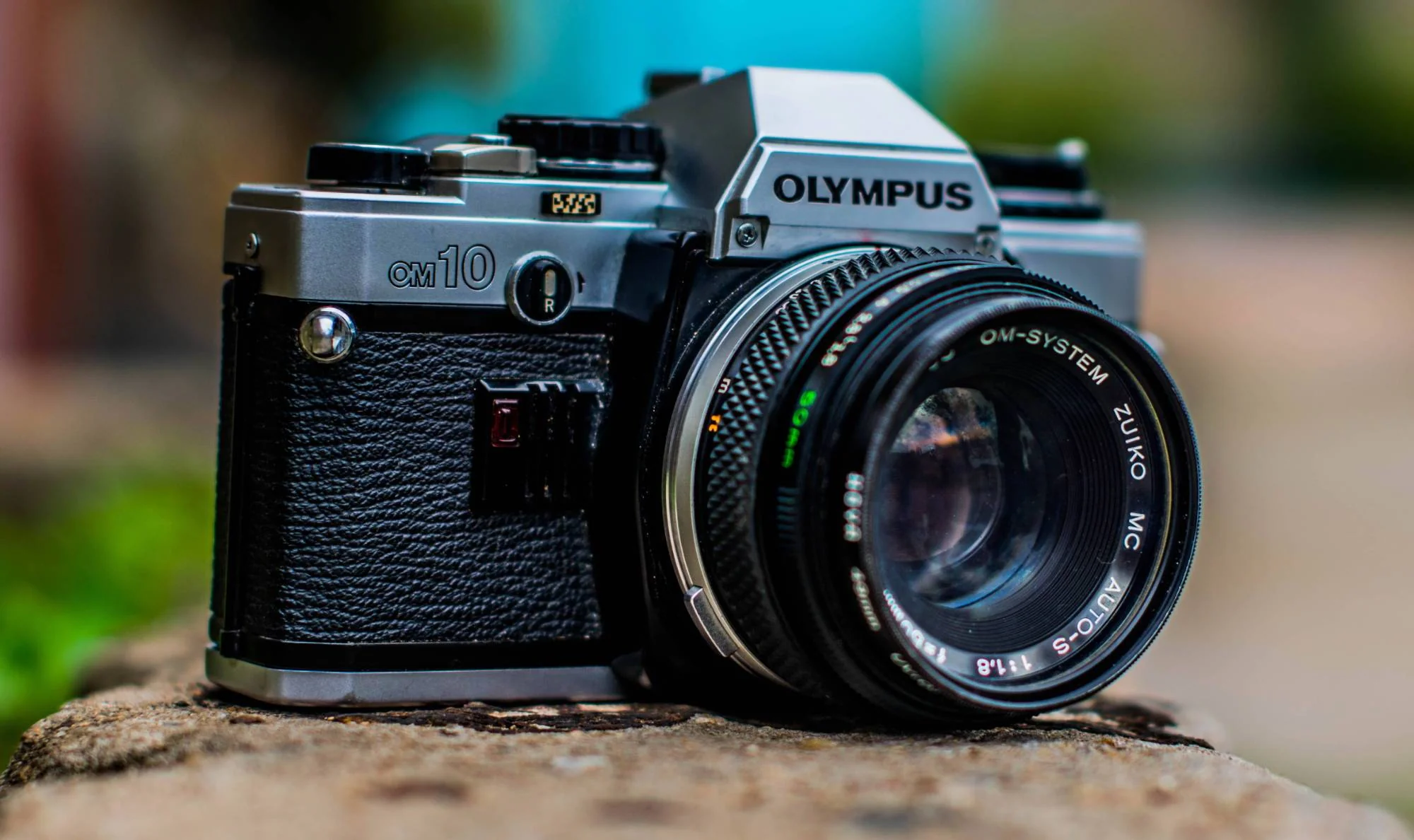
From the mid-20th century onward, the 35mm film camera became the global standard. Journalists, travelers, and professional photographers relied on it because it balanced quality and portability. During this era, famous SLR cameras gained popularity and dominated photography markets.
Film Cameras in the Modern Era
When digital cameras appeared in the early 2000s, film usage declined rapidly. However, today many photographers are rediscovering film for its artistic value, nostalgic appeal, and authentic shooting experience.
What Does “35mm” Mean?
The term “35mm” refers to the width of the photographic film used inside the camera. The film measures 35 millimeters across, including perforated edges that help advance the film through the camera.
Each frame captured on the film typically measures 24 × 36 mm, which provides excellent image detail while keeping cameras compact.
The 35mm format became the industry standard because it offered:
- High image quality
- Portable camera size
- Affordable production
- Universal compatibility
Today, most film cameras available for beginners and enthusiasts still use this format.
How a 35mm Film Camera Works
A 35mm film camera captures images through a mechanical and chemical process rather than digital recording.
Basic Working Principle
Light enters through the camera lens and reaches the film when the shutter opens. The film contains light-sensitive chemicals that react to light exposure, creating an invisible image called a latent image.
Step-by-Step Shooting Process
- Film is loaded into the camera body.
- The photographer frames the subject using the viewfinder.
- Pressing the shutter button opens the shutter briefly.
- Light exposes the film frame.
- Film advances to the next frame automatically or manually.
- After finishing the roll, the film is developed in a lab.
Film Development Explained
During development, chemicals transform exposed film into visible negatives. These negatives can then be printed onto photo paper or scanned into digital files.
Main Parts of a 35mm Film Camera
Understanding camera components helps photographers control image results more effectively.
| Camera Part | Function |
|---|---|
| Lens | Focuses light onto film |
| Shutter | Controls exposure time |
| Aperture | Adjusts light entering lens |
| Viewfinder | Helps compose image |
| Film Chamber | Holds film roll |
| Film Advance Lever | Moves film forward |
| Light Meter | Assists exposure settings |
Each part works together to create a balanced exposure.
Types of 35mm Film Cameras
SLR (Single-Lens Reflex) Cameras
SLR cameras allow photographers to see exactly what the lens sees. They offer manual controls, interchangeable lenses, and excellent image precision. These cameras are ideal for learning photography fundamentals.
Point-and-Shoot Cameras
Compact and automatic, these cameras handle focus and exposure automatically. Beginners often choose them because they are easy to use and portable.
Rangefinder Cameras
Rangefinder cameras use a different focusing system and are known for quiet operation and sharp image quality. Many street photographers prefer them.
Disposable and Compact Film Cameras
Simple single-use or reusable cameras are designed for casual photography and travel memories.
Types of 35mm Film
Different films create different visual styles.
Common film categories include:
- Color negative film for everyday photography
- Black and white film for artistic expression
- Slide film for vibrant colors and high contrast
Each film type produces a unique mood and tone, which is one reason photographers enjoy experimenting with film.
Understanding Film Speed (ISO)
ISO indicates how sensitive film is to light.
| ISO Value | Best Use |
|---|---|
| ISO 100 | Bright daylight |
| ISO 200–400 | General photography |
| ISO 800+ | Low light conditions |
Higher ISO film works better in darker environments but may introduce more grain.
Advantages of Using a 35mm Film Camera
Using a 35mm film camera offers several creative benefits. Film images often have natural grain, smooth color transitions, and impressive dynamic range. Because photographers cannot instantly preview photos, they develop stronger technical skills and patience.
Film photography also provides a tangible experience. Holding negatives or printed photos creates a deeper connection with the photographic process.
Limitations of Film Cameras
Despite their charm, film cameras also have drawbacks. Film rolls and development cost money, and photographers must wait to see results. Each roll contains limited exposures, meaning mistakes cannot easily be corrected immediately.
Maintenance and careful storage are also important to protect film from light and damage.
35mm Film Camera vs Digital Camera
| Feature | 35mm Film Camera | Digital Camera |
|---|---|---|
| Image Storage | Film negatives | Memory card |
| Preview | Not instant | Instant review |
| Shooting Style | Slow & intentional | Fast & flexible |
| Editing | Minimal | Extensive digital editing |
| Experience | Analog & tactile | Technology-driven |
Both systems have advantages, but film emphasizes creativity and discipline.
How to Use a 35mm Film Camera (Beginner Guide)
Beginners should start by learning how to load film correctly and adjust exposure settings. Proper focusing ensures sharp images, while understanding lighting helps avoid overexposed or dark photos.
After finishing a roll, the film must be rewound carefully before opening the camera. Opening the camera early can ruin all captured images.
Practice plays a major role in mastering film photography. Over time, photographers learn to predict exposure and lighting without relying heavily on automation.
Choosing Your First 35mm Film Camera
When selecting a camera, beginners should consider ease of use, availability of lenses, and budget. Cameras with built-in light meters simplify learning exposure settings.
A good starter camera should be reliable, simple, and comfortable to hold.
Essential Accessories for Film Photography
Helpful accessories include:
- Extra film rolls
- Camera bag for protection
- Lens cleaning tools
- Spare batteries
- Film scanner or lab service
These items improve convenience and maintain equipment quality.
Tips for Better 35mm Photography
Successful film photography depends on understanding light and composition. Shooting during early morning or sunset often produces softer lighting. Beginners should also avoid rushing shots and instead carefully evaluate framing before pressing the shutter.
Keeping notes about camera settings helps photographers learn from each roll of film.
Film Development and Scanning Options
Film can be developed professionally at photography labs or processed at home using special chemicals. Many photographers scan negatives to create digital copies for sharing online while preserving the analog aesthetic.
Why Film Photography Is Popular Again
The renewed interest in the 35mm film camera comes from a desire for authenticity. Social media trends, nostalgia, and artistic experimentation have encouraged younger photographers to explore analog methods.
Film photography promotes mindfulness and creativity, offering an experience very different from fast digital shooting.
Maintenance and Care of Film Cameras
Proper care ensures long camera life. Cameras should be stored in dry environments, lenses cleaned gently, and batteries removed during long storage periods. Regular maintenance prevents mechanical issues and protects film quality.
Future of 35mm Film Photography
Despite technological advances, film photography continues to survive and evolve. Film manufacturers still produce new stocks, and many photographers combine film shooting with digital scanning workflows. This hybrid approach keeps the 35mm format relevant in modern photography.
Conclusion
The 35mm film camera remains one of the most influential inventions in photographic history. It transformed photography into an accessible art form and continues to inspire photographers today. Although digital cameras offer convenience, film provides a unique creative experience filled with anticipation, craftsmanship, and timeless visual character.
For beginners, using a 35mm film camera is not just about taking pictures — it is about learning photography at its purest level. Whether used for artistic projects, travel memories, or personal growth, film photography continues to prove that classic technology never truly disappears.